
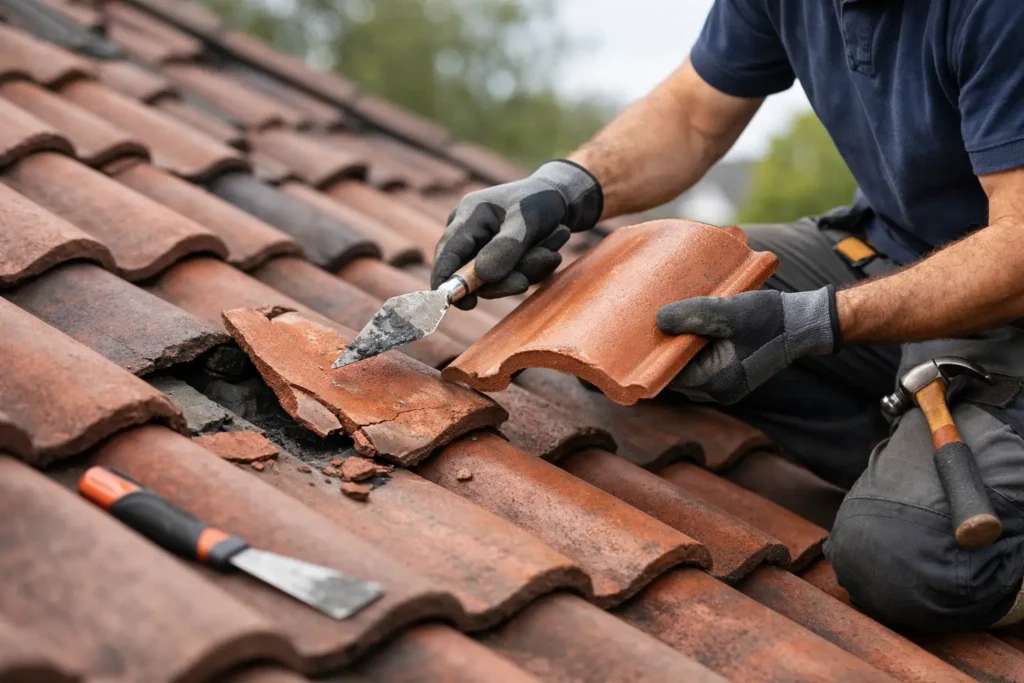
A cracked tile after a windy Sydney afternoon might not look like much from the ground, but it can be the start of stained ceilings, damp insulation and a much bigger repair bill. Broken roof tile repair is one of those jobs that pays to sort out early, before water finds its way under the surface and into the home.
For most homeowners, the hard part is not spotting that something is wrong. It is knowing whether the damage is minor, whether it is causing a leak yet, and whether a quick patch will actually hold. The truth is, some broken tiles are simple to replace, while others point to movement in the roof, failing mortar, blocked valleys or general age across the whole section.
Why broken roof tiles should never be ignored
A tiled roof is designed to shed water in layers. Once one tile is cracked, slipped or fully broken, that layer is compromised. Rain can track underneath, especially during heavy downpours and wind-driven storms, which are common enough across Sydney.
The problem is not always immediate dripping into the lounge room. Water can sit in the sarking, soak battens, affect insulation and slowly mark plaster before you notice it inside. By the time the leak shows up on a ceiling, the issue has usually been there longer than most people think.
There is also the safety side. A loose or broken tile can shift further, slide out of place and create more exposed areas around it. If the roof is already ageing, one broken tile can be a sign that others nearby are brittle and ready to fail as well.
Common causes of broken roof tile repair
Not every damaged tile breaks for the same reason, and that matters because the best repair depends on what caused it. Foot traffic is a big one. Roofs often get damaged by people walking on them the wrong way, whether it is during an inspection, gutter cleaning or another trade visit.
Storm activity is another common cause. Strong wind can lift edges, flying debris can crack tiles, and heavy rain can expose weak points that were already there. Age also plays a part. Cement and terracotta tiles can last a long time, but years of weather, heat, moss growth and general wear eventually take their toll.
Sometimes the issue is not the tile alone. Failed bedding and pointing at the ridge, movement in the roof frame, or problems in the valley can put stress on surrounding tiles. In those cases, replacing one tile without addressing the cause is only a short-term fix.
Signs you may need broken roof tile repair
You do not always need to climb up to know something is wrong. Water marks on ceilings, musty smells in the roof space and unexplained damp patches after rain are all warning signs. From the ground, you may notice tiles that look out of line, obvious cracks, gaps in the roof line or pieces of tile in the gutter or on the ground.
A sudden increase in leaf build-up or blocked gutters can also contribute to problems around tiled roofs. When water cannot drain properly, it backs up into places it should not be. That is why roof tile repairs often go hand in hand with gutter cleaning, valley checks and a general roof inspection.
If your roof is older, patchy in colour, or has not been maintained in years, it is worth getting it looked at before the next major storm. A small repair carried out early is almost always cheaper than waiting for internal water damage.
What proper broken roof tile repair involves
Good repair work is about more than swapping one tile for another. First, the damaged area needs to be inspected properly to see whether the tile cracked in isolation or whether there is a wider issue. That includes checking the surrounding tiles, ridge capping, valleys and the path water takes across that section of roof.
If the damage is localised, the broken tile can usually be removed and replaced with a matching tile or a close equivalent. The surrounding tiles need to be lifted and reset carefully so nothing else gets cracked in the process. On cement and terracotta roofs, that takes a bit of know-how. Rush the job and you can create two more breaks while fixing one.
Where the problem involves ridge caps, loose mortar or movement around the repaired area, re-bedding or repointing may also be needed. If valleys are rusted, blocked or lifting, those should be dealt with too. This is where experience matters. The goal is not just to make the roof look better from the street. It is to stop water entry and keep the roof performing the way it should.
Repair or replace – what makes sense?
This is where a lot of homeowners want straight answers, and fair enough. Not every broken tile means the whole roof is done. In many cases, targeted repairs are the most cost-effective option, especially when the roof still has plenty of life left in it.
If the damage is limited to a handful of tiles and the rest of the roof is structurally sound, repair usually makes good sense. It is faster, cheaper and avoids unnecessary work. On the other hand, if tiles are cracking all over, the bedding and pointing are failing, and leaks are showing up in multiple spots, a broader restoration may be better value than constant patch repairs.
That is why a proper inspection matters. Homeowners do not need a sales pitch for a full replacement when a repair will do the job. They need honest advice about the condition of the roof, what is urgent, and what can wait.
DIY broken roof tile repair versus calling a professional
It is tempting to think replacing a tile is a quick weekend job. The problem is that tiled roofs can be slippery, fragile and unsafe to walk on if you do not know where to step. One wrong move can crack more tiles, damage the ridge or put you at serious risk of a fall.
There is also the issue of diagnosing the leak properly. What looks like a single broken tile from the ground may actually involve flashing, bedding, valleys or drainage. A patch with sealant might hold for a short time, but it rarely solves the underlying problem.
Professional repair means the roof is assessed as a system, not just as one visible crack. It also means the work is done with the right access, the right materials and a clear understanding of how tiled roofs behave in local conditions.
Why timing matters in Sydney
Sydney roofs deal with plenty – hot sun, sudden storms, strong wind, coastal moisture in some areas and debris from surrounding trees. That combination can turn minor tile damage into a leak fairly quickly.
The best time to arrange repairs is when you first notice the issue, not after the next heavy rain. Waiting often means paying for ceiling repairs, paintwork, mould treatment or damaged insulation on top of the roof job itself.
For investment properties, timing matters even more. A small roof problem left unresolved can become a tenant complaint, an emergency call-out and a larger maintenance bill. Fast, practical action usually saves money.
Choosing the right team for broken roof tile repair
Homeowners want clear advice, fair pricing and work that actually lasts. That starts with choosing a local roofing team that understands tiled roofs, knows how to identify related issues and does not overcomplicate a straightforward repair.
Look for a contractor who can explain what is damaged, what needs fixing now and whether any preventative maintenance would help extend the life of the roof. That might include replacing additional brittle tiles, clearing gutters, checking valleys or recommending re-bedding and repointing where needed.
A good repair should leave you with confidence, not questions. That is the standard we aim for at DJ Roofing & Restoration – practical workmanship, honest recommendations and repairs that make financial sense for homeowners.
If you have noticed cracked tiles, signs of a leak or pieces of tile around the property, do not wait for the damage to spread. A prompt inspection and the right repair now can save a lot of stress later, and keep your roof doing the job it is there to do.