
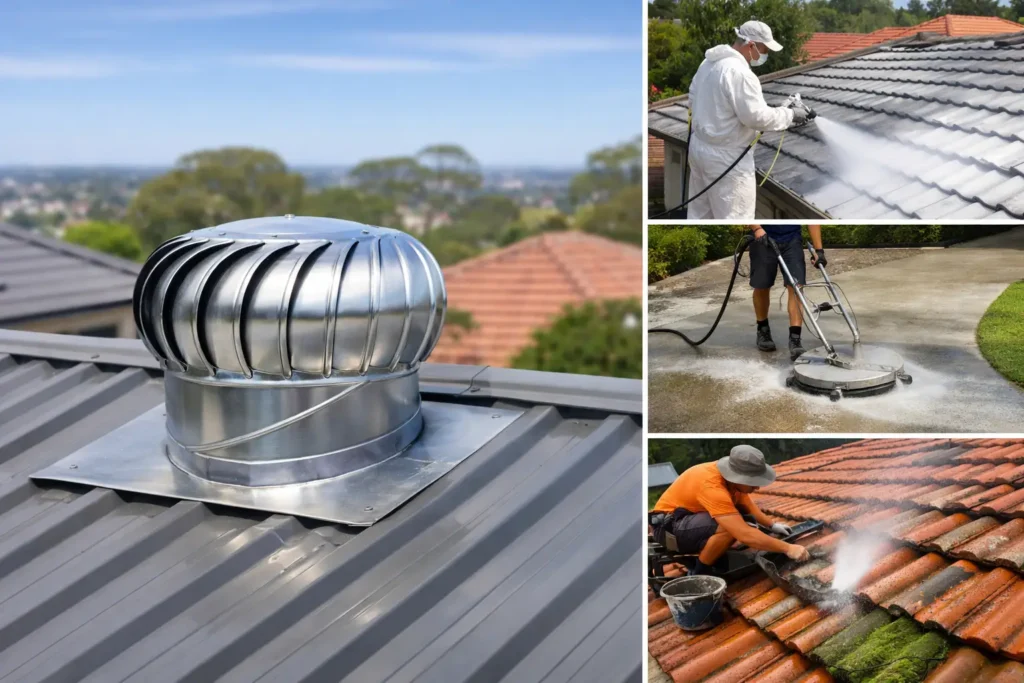
A roof space that feels like an oven by midday can make the rest of the house harder to cool. It can also trap moisture around framing and insulation. Professional whirlybird installation Sydney homeowners can rely on is a straightforward way to improve roof ventilation, provided the roof is assessed properly and the unit is fitted in the right position.
A whirlybird is not a magic fix for every hot room or roof problem. But on many tiled and metal roofs, it is an affordable addition that helps move hot, stale air out of the roof cavity. The difference comes down to selecting a suitable unit, allowing for proper air intake and making the roof penetration fully weatherproof.
What a whirlybird actually does
A whirlybird is a wind-driven roof ventilator. Its fins turn when there is a breeze, drawing warm air from the roof cavity and exhausting it above the roof line. As hot air escapes, fresh air can enter through the roof’s existing ventilation points, helping the space breathe more freely.
During a Sydney summer, heat builds quickly beneath dark tiles, metal sheeting and poorly ventilated roof spaces. That heat can sit above the ceiling for hours, increasing the load on your air conditioning and making upstairs rooms feel stuffy well into the evening. A correctly fitted whirlybird helps reduce that heat build-up rather than allowing it to linger.
Ventilation also matters outside the hottest months. Condensation can form when humid indoor air reaches a cooler roof space. Over time, excess moisture may contribute to musty smells, damp insulation and deterioration around timber and metal components. A ventilated roof cavity is not a substitute for repairing a roof leak, but it can be an important part of a healthier roof environment.
Is whirlybird installation right for your roof?
The best answer comes from an inspection, not a guess from the ground. Roof size, pitch, layout, roof material, insulation, existing vents and the amount of shade all affect whether a whirlybird will provide worthwhile results.
A larger home may need more than one unit to ventilate the roof cavity effectively. A small roof space may only need one. Adding units without considering the size and shape of the cavity can waste money, while installing too few may limit the benefit. Position also matters. The whirlybird needs to sit where it can catch prevailing breezes and draw air from the broader roof space, not just a small enclosed section.
It is also worth checking the rest of the roof before installation. Broken tiles, cracked ridge capping, worn pointing, damaged valleys or blocked gutters should not be ignored because a new ventilator will not fix them. If there is an active leak, that repair comes first. A proper roof inspection gives you a clear picture of what is necessary and what can wait.
For older Sydney homes, a whirlybird can be particularly useful where roof ventilation was limited from the start. It can also suit properties that have had insulation upgraded over the years, as insulation helps protect the living area but can leave more heat held in the roof cavity if airflow is poor.
Whirlybird installation in Sydney needs proper flashing
Installing a whirlybird means creating an opening in the roof. That is why workmanship matters more than simply buying the unit itself. The ventilator base must suit the roof profile, be secured correctly and be flashed so rain is directed away from the penetration.
On tiled roofs, fitting work needs to avoid cracked tiles and leave the surrounding area neat and secure. On metal roofs, the base needs to match the sheeting profile and be sealed carefully without creating a point where water can track underneath. The unit should be fixed firmly enough to cope with wind, vibration and years of weather exposure.
A cheap installation can turn a ventilation upgrade into a leak risk. Signs of poor work include excessive sealant, uneven positioning, loose fixings, cracked surrounding tiles or water marks appearing in the ceiling after rain. Quality work should look tidy from the outside and perform properly when the weather turns.
At DJ Roofing & Restoration, the focus is on practical recommendations and workmanship that protects the roof, not just fitting another item to it. If a whirlybird is a good match for your home, it should be installed as part of a properly checked roof system.
The benefits you may notice at home
Most homeowners consider a whirlybird because of summer heat, and that is usually the most noticeable benefit. By releasing hot air from the roof cavity, the ceiling area is exposed to less stored heat. Depending on the home’s insulation, orientation and air flow, rooms may feel less oppressive and air conditioning may not have to work as hard.
The result varies from house to house. A whirlybird cannot overcome poor insulation, direct afternoon sun through large windows or an undersized cooling system. Still, it can be a sensible, low-running-cost improvement because it uses wind rather than electricity.
There are other practical benefits too. Better air movement can help reduce trapped humidity, stale roof-space air and heat stress around roof components. It may also make the roof cavity more manageable for future inspections and maintenance, particularly during warmer weather.
The main trade-off is that a wind-driven ventilator performs best when there is wind. On still, humid days, air movement is more limited. That does not make it ineffective, but it is important to have realistic expectations. The goal is improved ventilation across changing conditions, not instant cooling like an air conditioner.
When to install a whirlybird
Whirlybird installation can be completed at many times of year, but it makes sense to plan it alongside other roof work where possible. If your roof is being cleaned, repaired, repointed, painted or restored, it is a good time to assess ventilation and complete the work in one organised visit.
It is also smart to act before the next heatwave rather than waiting until the roof space is already unbearable. A quick inspection can establish whether your roof is suitable, how many units are appropriate and whether any repairs need to be handled first.
For landlords and property investors, ventilation is a practical preventative measure worth considering between tenancies or during planned maintenance. It helps show that the property is being looked after, while reducing the chance that a small roof issue is left unnoticed for years.
Questions homeowners often ask
Will a whirlybird make my house cold in winter?
Not usually. A whirlybird ventilates the roof cavity, not the living area below. If ceilings are insulated and sealed appropriately, the impact on indoor warmth should be minimal. It is designed to release stale, hot or humid roof-space air rather than create a draught through your rooms.
Are whirlybirds noisy?
A quality unit that is installed securely should operate quietly. Very strong winds can make any roof fitting more noticeable, but persistent rattling, scraping or vibration is not normal and should be inspected.
Do I need one or more than one?
It depends on the roof size, the layout of the roof cavity and existing ventilation. One unit can suit some homes, while larger or more complex roofs may need additional ventilation. An on-site assessment is the reliable way to avoid underdoing or overdoing the job.
Can a whirlybird be fitted to a leaking roof?
It can be fitted after the source of the leak is identified and repaired. Roof ventilation and water entry are separate issues. Any cracked tiles, damaged flashing, valleys or ridge capping should be addressed first so the roof is watertight before another penetration is added.
A whirlybird is a relatively simple upgrade, but the result depends on the details above the ceiling. If your home is holding heat, feels humid or has a roof space that needs better airflow, arrange a proper roof inspection and get clear advice before the warmer months arrive.