
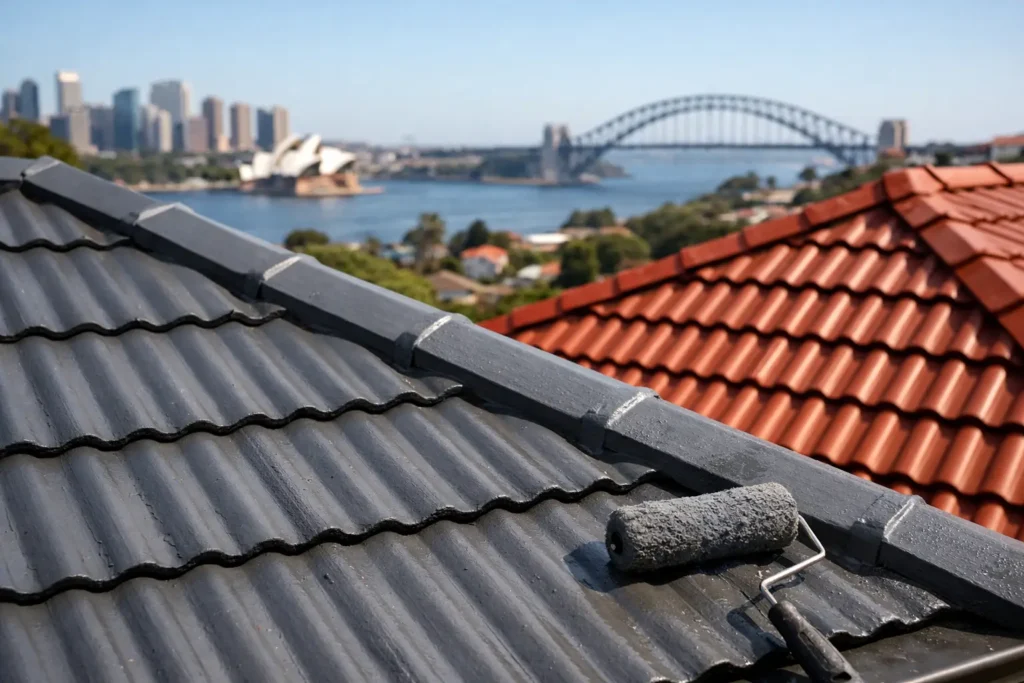
A faded roof can make an otherwise well-kept home look tired, but appearance is only part of the issue. Homeowners often ask, how long does roof paint last, because they want to know whether a restoration is a smart investment or just a short-term cosmetic fix. When the roof is properly repaired, cleaned, prepared and coated, quality roof paint can protect the surface for years while lifting the look and value of the property.
For most Sydney homes, a professionally painted roof can last around 8 to 15 years before it needs major attention. The exact lifespan depends on the roof material, its condition before painting, exposure to weather and, most importantly, the quality of the preparation work underneath the paint.
How long does roof paint last in real conditions?
There is no honest one-size-fits-all answer. A roof that is cleaned, repaired and painted correctly may hold its colour and protective finish for well over a decade. A roof painted over loose pointing, moss, dirt, chalky old coating or damaged tiles can start peeling, fading or breaking down much sooner.
Sydney roofs deal with strong UV exposure, summer heat, heavy rain, wind-driven debris and salt in coastal areas. Those conditions gradually wear down any coating. North- and west-facing roof sections often fade first because they receive more direct sun, while shaded sections can develop moss, lichen and dirt build-up if water does not drain away properly.
As a general guide, a quality paint system on a well-prepared cement tile roof may last 10 to 15 years. Metal roofs can also achieve a long service life when rust is treated and the correct coating system is used, although exposed areas may need maintenance earlier. Terracotta roofs require careful assessment and the right preparation, as their surface and existing condition can vary considerably.
The key point is that paint life is not just about the tin of paint. It is about the roof beneath it.
What affects the life of roof paint?
Preparation makes the biggest difference
The longest-lasting roof coatings start with a clean, sound surface. Before painting, the roof needs to be inspected for cracked tiles, broken tiles, deteriorated bedding, loose ridge caps, damaged valleys, rusted areas and signs of leaks. These issues should be repaired first.
High-pressure roof washing removes built-up dirt, mould, moss, lichen and loose coating. If this stage is rushed or skipped, the new paint is being asked to stick to contamination rather than a stable roof surface. That is when early peeling and patchy finish problems appear.
On tiled roofs, re-bedding and repointing may also be needed to secure ridge caps and renew tired mortar. Painting over failed pointing might improve the colour for a while, but it will not stop water finding its way into weak sections.
The roof material and existing condition
A roof that is structurally sound and has been maintained is usually a good candidate for restoration. One with widespread breakages, severe rust, ongoing leaks or extensive deterioration may need more than paint alone.
Cement tiles often respond very well to professional restoration because cleaning, repairs and a fresh coating can significantly improve both protection and street appeal. Metal roofing needs particular care around rust, fixings, laps and penetrations. Any corrosion has to be dealt with properly before coating begins.
Existing paint also matters. If an old coating is badly chalking, lifting or flaking, it needs to be prepared correctly so the new system has a sound base. Simply applying another coat over failing paint does not produce a durable result.
Sun, rain and local exposure
The Australian sun is hard on roof paint. UV exposure gradually fades pigments and weakens coatings, particularly on roof planes that receive full afternoon sun. Heat expansion and contraction also put the surface under pressure over time.
Rain is not normally a problem for a properly coated roof, but pooling water, blocked gutters and overflowing downpipes can create avoidable damage. Coastal properties may experience additional salt exposure, while homes under large trees can collect leaves, branches and moisture-retaining debris.
These factors do not mean a roof cannot be painted successfully. They do mean that the correct preparation and ongoing maintenance become more important.
Product quality and application method
Professional roof coatings are designed to cope with outdoor exposure, but they still need to be matched to the roof type and applied to the manufacturer’s specifications. This includes using suitable primers where required, applying sufficient coverage and allowing the right drying conditions between coats.
Painting in unsuitable weather can affect the finish. Very hot surfaces, incoming rain, high humidity or strong winds can all make application harder. An experienced roofer plans the job around the condition of the roof and the weather, rather than treating it as a quick paint-over.
Signs your roof paint needs attention
Paint does not need to be completely gone before you take action. Catching wear early can help prevent a smaller maintenance job becoming a bigger restoration later.
Look for noticeable fading, a dull or powdery surface, peeling or bubbling paint, moss or lichen returning quickly, exposed patches of old coating, and rust marks on metal areas. On tiled roofs, also check for cracked tiles, loose ridge pointing and debris sitting in valleys or gutters.
A change inside the home matters too. Water marks on ceilings, damp smells or drips after heavy rain are repair issues first, not paint issues. A coating can be part of a complete roof restoration, but it cannot fix a leak caused by broken tiles, failed flashing, cracked pointing or damaged valleys.
How to help roof paint last longer
Once the roof has been restored, regular maintenance helps get the best value from the work. Keep gutters and valleys clear so water can move away freely. Remove leaf build-up and overhanging branches where practical, as these hold moisture against the roof and can scratch coatings during windy weather.
It is also worth arranging periodic roof checks, especially after major storms or if the property is surrounded by trees. Small cracked tiles, loose ridge caps and early rust spots are generally simpler and cheaper to fix before they lead to water damage.
Avoid walking on a tiled roof unless you know how to move across it safely. Tiles can crack under incorrect foot placement, and unnecessary traffic can disturb pointing or damage the coating. If the roof needs inspection, cleaning or repairs, it is safer to have a qualified professional assess it.
Is repainting better than roof replacement?
For many homes, yes – but only where the roof structure and main roof materials are still in serviceable condition. A professional restoration can repair common defects, improve weather protection and give the property a major visual lift at a fraction of the cost of full replacement.
However, repainting is not the right answer for every roof. If there is widespread damage, advanced corrosion, serious structural issues or ongoing water ingress, the roof needs a proper inspection before any decision is made. Straight advice is valuable here. The cheapest quote is not good value if it leaves the underlying problems untouched.
At DJ Roofing & Restoration, the focus is on checking the roof condition first, carrying out necessary repairs and then applying a coating system that suits the surface. That approach gives homeowners a finish that looks good now and is built to last.
A roof coating should do more than make your home look fresher from the street. When the preparation is done properly and maintenance is kept up, it can be a practical way to protect one of the most important parts of your property for years to come.