
A roof rarely fails without giving a few warnings first. A small water stain near the ceiling, a handful of broken tiles after a storm, or gutters overflowing onto the eaves can all point to a problem that will cost far more if left alone. Professional roof maintenance services are about finding those issues early, fixing what needs fixing, and helping your roof keep doing its job through Sydney’s heat, wind and heavy rain.
For most homeowners, the goal is not to replace a roof before its time. It is to make sensible repairs, keep water moving where it should, and protect the value of the home without spending money on work that is not necessary.
What roof maintenance services should cover
Good roof maintenance starts with a proper inspection, not a guess from the ground. A roofer should look at the roof covering, ridge capping, valleys, flashing, gutters, downpipes and the areas around vents or skylights. These are common places for water to get in when materials age or move.
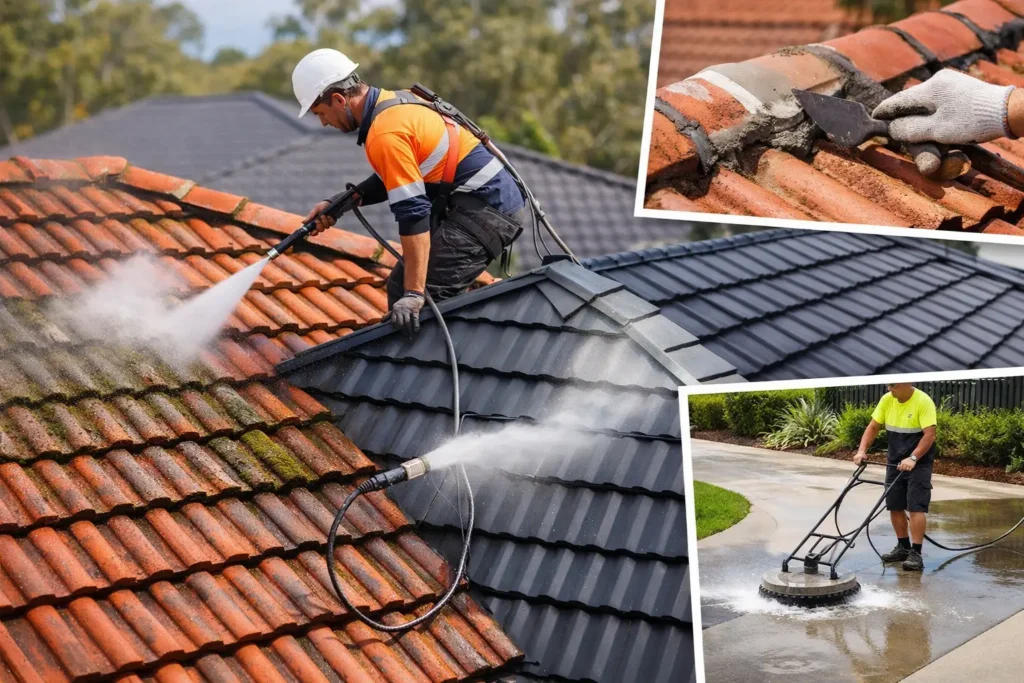
On tiled roofs, cracked, slipped or broken tiles are often the obvious concern. Less obvious is the condition of the bedding and pointing along the ridge caps. Old mortar can crack and become loose, allowing water and wind-driven rain underneath the capping. Re-bedding and repointing can restore the seal and secure the roof line without the cost of a full roof replacement.
Metal roofs need a different approach. Loose screws, deteriorated seals, rust patches, damaged sheets and worn flashings can all lead to leaks. Early attention to these areas may keep the damage localised. Once water reaches roof framing, insulation or ceiling linings, the repair can quickly become more involved.
Gutters and valleys are just as important as the roof itself. Leaves, roof grit and built-up debris stop water from draining away. During a downpour, that water can back up beneath tiles, spill over gutter edges and run down external walls. Regular gutter cleaning and valley checks are simple preventative jobs, but they make a real difference.
Why small roof issues become expensive
Water does not always drip straight through the ceiling below the damaged area. It can travel along timber, insulation or electrical conduits before becoming visible inside. By the time a stain appears, there may already be moisture sitting where it should not be.
That is why a loose tile or cracked pointing should not be treated as a cosmetic issue. It may only take one hard Sydney storm for a minor weak spot to become an active leak. The same applies to blocked gutters. Overflow can damage fascia boards, eaves, wall finishes and garden areas around the home.
There is also the issue of roof surface deterioration. Moss, lichen and built-up grime can hold moisture against tiles and make it harder to spot cracks or damaged sections. A professional roof clean can improve street appeal, but it also gives the roofer a clearer view of the roof’s actual condition. High-pressure cleaning needs to be carried out with care, particularly on older tiles, so it should not be treated as a weekend DIY job.
The right maintenance schedule depends on your roof
There is no single schedule that suits every property. A newer roof in an open area may only need a professional inspection every couple of years, with gutters cleaned as required. An older tile roof beneath large trees may need more regular attention because leaves, branches and moisture create extra wear.
As a practical rule, arrange a roof check after severe weather, before the wetter months, and whenever you notice a change around the home. Overflowing gutters, discoloured ceilings, loose ridge caps, rust marks, cracked tiles or paint peeling from the roof are all worth checking sooner rather than later.
Property investors should also consider roof maintenance between tenancies or during general property upkeep. A leaking roof can become a bigger issue when it affects ceilings, carpets and tenant comfort. Planned maintenance is usually easier to organise than urgent repairs after water has already entered the building.
Repairs, restoration or replacement: what is actually needed?
Homeowners are often unsure whether they need a simple repair, a full restoration or a new roof. The honest answer is that it depends on the roof’s age, the extent of damage and the condition of the underlying structure.
A repair makes sense when the problem is isolated. Replacing a group of broken tiles, repairing a valley, resealing flashing or fixing a section of pointing can be a cost-effective way to stop a leak and extend the life of an otherwise sound roof.
A restoration may be the better option when the roof is generally tired but still structurally serviceable. This can involve repairs, re-bedding and repointing, pressure cleaning, surface preparation and roof painting. It is a practical choice for many cement tile, terracotta and metal roofs where the aim is to improve protection and appearance without moving straight to replacement.
Replacement becomes more likely when there is widespread material failure, major rust, repeated leaks across multiple areas or structural concerns. It costs more upfront, but continuing to patch a roof that has reached the end of its useful life can become false economy. A professional inspection should give you a clear explanation of the options, not pressure to choose the most expensive one.
What homeowners can safely keep an eye on
You do not need to climb onto the roof to notice early warning signs. From ground level, look for displaced or visibly cracked tiles, sagging gutter sections, rust staining, loose metal flashing and heavy debris sitting in valleys. Inside, check the ceiling after rain for new staining, bubbling paint, mouldy smells or dampness around cornices.
Keep nearby trees trimmed back where practical. Overhanging branches drop leaves into gutters, scrape roof surfaces in wind and give pests easier access to the roofline. It is also sensible to make sure downpipes are directing water away from the house rather than allowing it to pool near footings.
What you should avoid is walking on tiles, blasting a roof with unsuitable equipment or trying to repair ridge caps without the right safety gear and materials. Tiles can crack underfoot, steep roofs are dangerous, and a rushed repair can create a bigger leak. Getting a roofer to inspect the issue is safer and usually more cost-effective.
Choosing a roofer for ongoing maintenance
Roof work is one area where the cheapest quote is not always the best value. Ask what the inspection includes, whether the roofer is insured, what repair materials will be used and whether the quote clearly separates urgent work from recommended future maintenance. You should know exactly what is being repaired and why.
A good local roofer will also be realistic. Not every faded roof needs restoration immediately, and not every small leak means a replacement is required. Clear photos, practical advice and a straightforward quote help you decide with confidence.
DJ Roofing & Restoration helps Sydney homeowners with leaking roof repairs, tile repairs, gutter cleaning, roof restoration, painting and other preventative work. The focus should always be on fixing the cause of the problem and leaving the roof in better condition than it was found.
If your roof has not been checked for a while, do not wait for water to appear on the ceiling. A timely inspection and a few well-chosen repairs can protect your home, your budget and your peace of mind when the next storm rolls through.